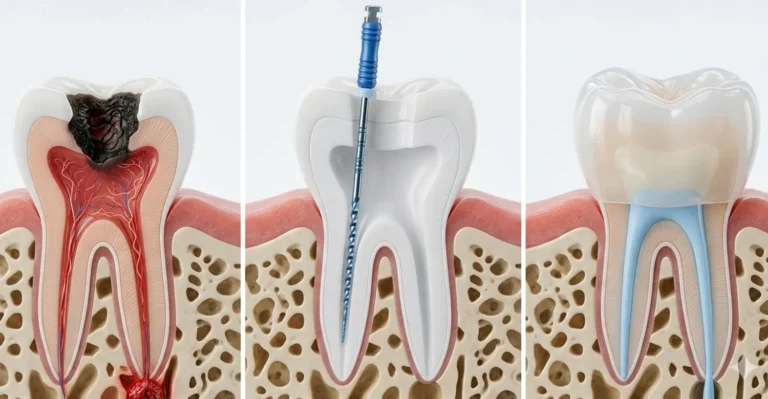





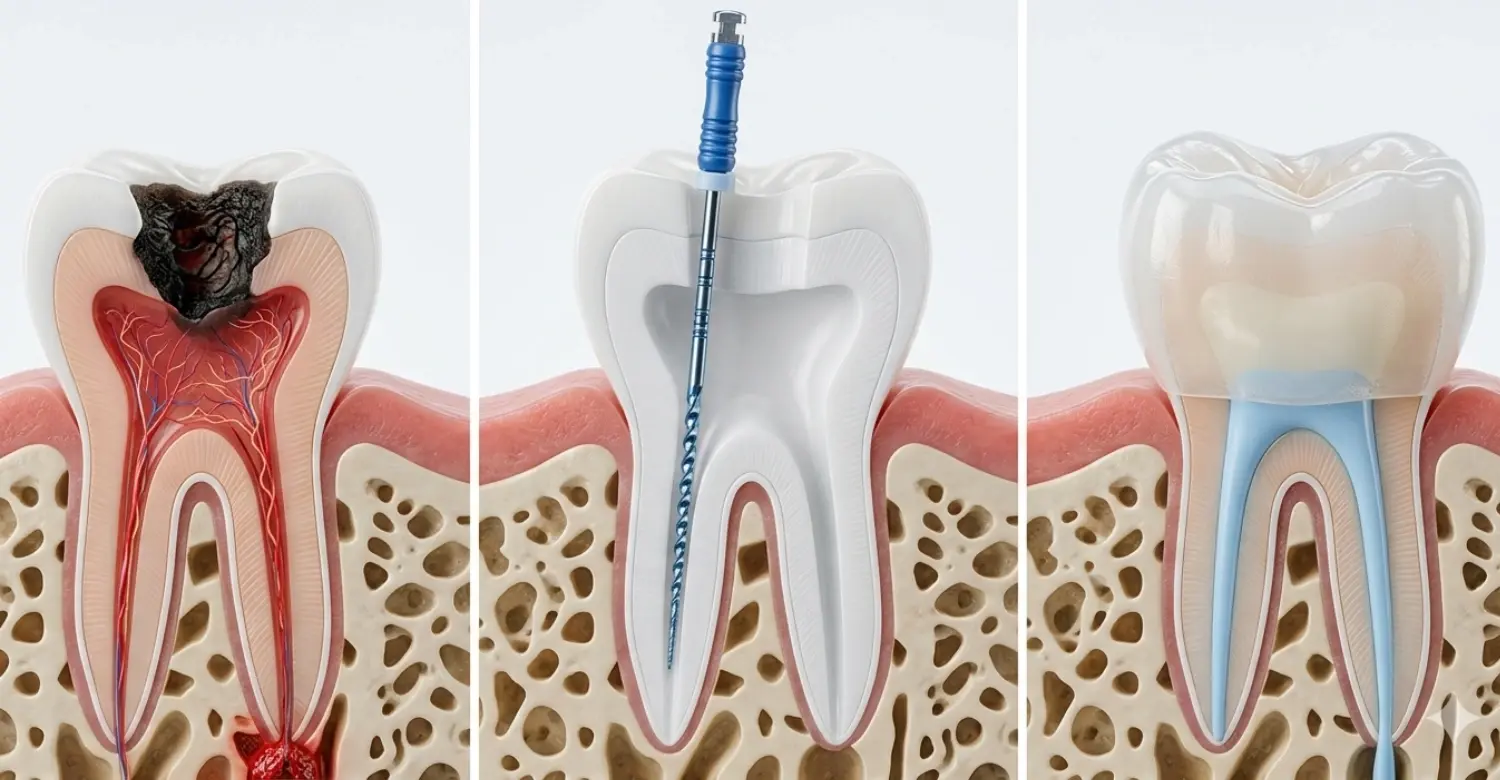
Understanding the Longevity of Endodontic Therapy
Root canal treatment Buckinghamshire has long been regarded as one of dentistry’s most misunderstood procedures, often accompanied by unwarranted apprehension despite its remarkable track record. When examining the long-term success rates of this essential intervention, the evidence paints a decidedly encouraging picture. Modern endodontic techniques have transformed what was once a challenging procedure into a highly predictable treatment option, with success rates that frequently exceed 85% over a ten-year period. Understanding what contributes to these outcomes provides valuable insight for both dental professionals and patients considering their treatment options.
The definition of success in endodontic therapy extends beyond merely saving a tooth from extraction. Clinicians assess success through multiple criteria, including the absence of pain, the resolution of infection, and the maintenance of proper function. Radiographic evidence of periapical healing serves as a crucial indicator, with healthy bone regeneration around the tooth root demonstrating that the body has accepted the treatment. These multifaceted success markers help explain why root canal specialists and their counterparts nationwide emphasise comprehensive follow-up care.
Primary Factors That Determine Treatment Outcomes
Pre-Treatment Conditions and Their Impact
The state of a tooth before treatment begins significantly influences its long-term prognosis. Teeth with pre-existing periapical lesions—areas of infection at the root tip—generally demonstrate slightly lower success rates than those treated before such complications develop. Similarly, the presence of perforations, root resorption, or complex canal anatomy can present additional challenges. According to research examining factors affecting endodontic treatment outcomes, teeth with intact crowns and minimal structural damage consistently show superior long-term survival rates compared to extensively damaged teeth requiring complex restoration.
The Critical Role of Technique and Technology
Advances in endodontic technology have revolutionised treatment protocols over recent decades. The introduction of nickel-titanium rotary instruments, apex locators, and operating microscopes has enabled clinicians to navigate even the most intricate canal systems with unprecedented precision. Three-dimensional imaging through cone beam computed tomography allows for detailed pre-treatment planning, reducing the likelihood of missed canals or procedural complications. These technological enhancements have contributed measurably to improved success rates across diverse patient populations.
Quality of Root Canal Filling and Coronal Seal
The thoroughness of the root canal filling represents a pivotal determinant of long-term success. A hermetic seal extending to within one to two millimetres of the root apex prevents bacterial recontamination whilst allowing periapical tissues to heal properly. Equally important is the coronal restoration placed atop the treated tooth. Research consistently demonstrates that teeth restored with well-fitting crowns or substantial fillings exhibit superior survival rates compared to those with inadequate coronal seals. The British Endodontic Society provides guidance on treatment standards that emphasise this crucial relationship between endodontic and restorative quality.
Patient-Related Variables Affecting Success
Individual patient factors contribute substantially to treatment outcomes, though these variables often receive less attention than technical considerations. Systemic health conditions, particularly diabetes and immunocompromised states, can impair healing responses and reduce success rates. Patient compliance with post-treatment care instructions, including timely placement of permanent restorations, proves equally consequential. Teeth left with temporary fillings for extended periods face increased risk of fracture or reinfection, undermining even expertly performed root canal procedures.
Age and tooth location also influence prognosis, with anterior teeth generally demonstrating higher success rates than posterior molars. This discrepancy relates partly to anatomical complexity, as molars frequently possess multiple canals with intricate configurations. Additionally, the substantial occlusal forces experienced by posterior teeth place greater stress on restored structures, potentially compromising long-term integrity.
Evaluating Treatment Success Over Time
Longitudinal studies tracking endodontically treated teeth reveal fascinating patterns in success rates across different timeframes. Initial healing typically occurs within the first year, with recent evidence on endodontic outcomes suggesting that teeth showing favourable radiographic changes at twelve months generally maintain stability for decades thereafter. However, late failures can occur, often related to new carious lesions, crown fractures, or periodontal disease rather than endodontic factors per se.
The Outlook for Root Canal Treatment
The accumulated evidence surrounding root canal outcomes and those achieved nationally demonstrates that endodontic therapy remains a highly effective means of preserving natural dentition. When performed competently and supported by quality restorative work, treated teeth can function successfully for lifetimes. Understanding the variables that influence success empowers both practitioners and patients to make informed decisions whilst optimising conditions for favourable long-term results.